


Creating Future-Ready Homes with Style, Comfort & Personality
The way we design homes is changing rapidly in 2026. Homeowners no longer want spaces that simply “look beautiful” — they want homes that feel warm, functional, calming, and deeply personal. Interior design is moving away from cold perfection and shifting toward comfort-driven, sustainable, and emotionally connected spaces. From warm earthy palettes to smart living solutions, the biggest interior trends of 2026 focus on how people truly live inside their homes.
At Alani Homes, we believe great interiors should blend timeless aesthetics with practical living. Whether you are building a modern villa, renovating an apartment, or planning your dream home, these 2026 interior design trends will help you create a space that feels luxurious, comfortable, and future-ready.
1. Warm Minimalism Takes Over
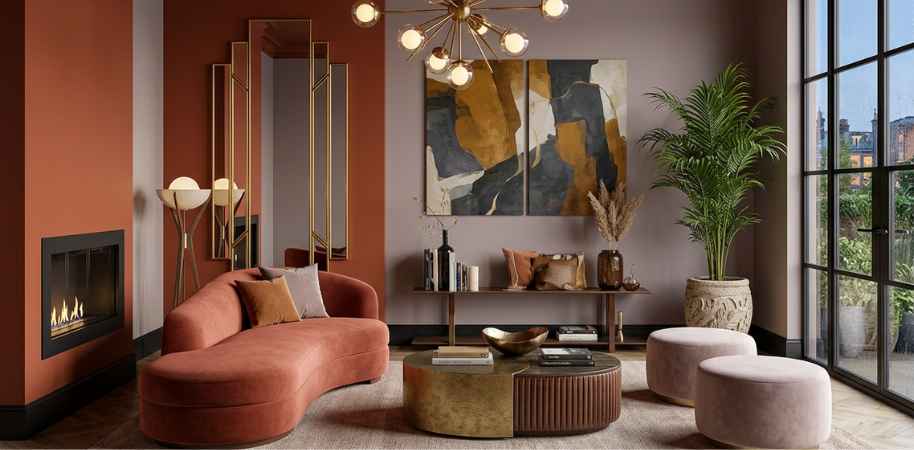
Minimalism is still popular in 2026 — but it now feels softer, warmer, and more livable. The all-white, ultra-cold interiors of the past decade are fading away. Instead, homeowners are choosing warm neutral palettes, textured surfaces, and cozy layered interiors.
Warm minimalism focuses on:
- Beige, sand, terracotta, and clay tones
- Natural wood finishes
- Linen and cotton fabrics
- Soft lighting
- Clean yet welcoming spaces
The goal is simple: reduce clutter without making the home feel empty or lifeless. This design style works beautifully for modern Kerala homes because it creates a peaceful atmosphere while maintaining elegance.
2. Biophilic Design: Bringing Nature Indoors
One of the biggest trends shaping interiors in 2026 is biophilic design — creating a deeper connection between indoor spaces and nature. Homeowners are increasingly prioritizing wellness-focused interiors that improve mood, reduce stress, and create a calming environment.
Popular biophilic elements include:
- Indoor plants and vertical gardens
- Natural ventilation
- Large windows for daylight
- Stone and wood textures
- Earth-inspired materials
- Indoor-outdoor living spaces
In tropical climates like Kerala, this trend works exceptionally well. Courtyard concepts, natural airflow, greenery, and open balconies create homes that feel fresh and breathable throughout the year.
At Alani Homes, integrating nature into architecture is not just a trend — it is a long-term lifestyle approach.
3. Curved Furniture & Organic Shapes
Sharp edges are softening in 2026 interiors. Curved sofas, rounded corners, arched mirrors, and flowing layouts are becoming increasingly popular because they make spaces feel more relaxed and inviting.
Organic shapes improve:
- Visual flow
- Comfort
- Spatial harmony
- Emotional warmth
However, designers are also moving toward balance. Instead of overusing curves everywhere, 2026 interiors combine curved furniture with clean linear elements for a timeless look.
This trend is especially effective in living rooms, lounges, bedrooms, and outdoor seating areas where comfort matters most.
4. Smart Homes Become Seamless
Technology is no longer an extra feature — it is becoming part of the design itself. Smart homes in 2026 focus on invisible integration rather than visible gadgets.
Modern smart interior features include:
- Automated lighting
- Smart climate control
- Motion-sensor systems
- Concealed speakers
- Smart curtains
- Voice-controlled devices
- Energy-efficient automation
The key difference in 2026 is that technology blends naturally into interiors without disrupting aesthetics. Hidden charging stations, minimal switch panels, and app-controlled systems help create clean and clutter-free environments.
5. Sustainable Materials Become Essential
Sustainability is no longer just a luxury concept — it has become a core part of modern interior design. Homeowners now prefer durable, eco-conscious materials that last longer and reduce environmental impact.
Trending sustainable materials include:
- Reclaimed wood
- Low-VOC paints
- Natural stone
- Bamboo finishes
- Handmade decor
- Clay textures
- Recycled materials
There is also a growing rejection of “disposable decor” and mass-produced interiors. People are investing in quality pieces that offer longevity and timelessness instead of temporary trends.
6. Texture-Rich Interiors Replace Flat Surfaces
In 2026, texture plays a major role in interior styling. Instead of loud feature walls or glossy finishes, homeowners are choosing subtle tactile materials that add depth and sophistication.
Popular textures include:
- Limewash walls
- Fluted panels
- Microcement finishes
- Matte wood grains
- Textured fabrics
- Stone surfaces
These finishes create luxury without overwhelming the space. Texture also adds warmth and personality, especially in modern minimal homes.
7. Personalized Interiors Over Copy-Paste Designs
One of the strongest shifts in 2026 is the move away from “Instagram-perfect” homes. People now want interiors that reflect their personality, lifestyle, and memories rather than following identical design templates.
This trend encourages:
- Custom furniture
- Handcrafted decor
- Family-inspired styling
- Vintage accents
- Art collections
- Local materials and craftsmanship
Homes are becoming more emotional and story-driven. Instead of designing for trends, homeowners are designing for comfort and identity.
8. Layered Lighting Creates Mood & Comfort
Lighting design in 2026 is becoming more sophisticated and wellness-focused. Harsh white lighting is being replaced with layered warm lighting that creates a cozy atmosphere.
A well-designed home now combines:
- Ambient lighting
- Task lighting
- Accent lighting
- Decorative lighting
Popular lighting trends include:
- Warm LEDs
- Fabric lampshades
- Hidden strip lighting
- Sculptural pendant lights
- Wall washers
Lighting is no longer just functional — it shapes the mood and emotional experience of the home.
9. Multifunctional Spaces Continue to Grow
Modern homes now need to support work, relaxation, entertainment, and family life — often within the same space. Hybrid living continues to influence interior planning in 2026.
This has increased demand for:
- Smart storage solutions
- Flexible furniture
- Hidden workstations
- Multipurpose rooms
- Space-saving layouts
Especially in urban homes and apartments, intelligent planning is becoming more important than simply adding decorative elements.
10. Earthy Color Palettes Dominate
Cool greys are slowly disappearing, making way for earthy and emotionally comforting tones. 2026 color trends focus on warmth, calmness, and nature-inspired palettes.
Trending colors include:
- Olive green
- Terracotta
- Clay brown
- Sand beige
- Warm ivory
- Burgundy accents
- Muted sage tones
These colors create interiors that feel timeless, grounded, and luxurious without looking overly dramatic.
Designing Homes for the Future
The biggest interior design trends of 2026 are not just about appearance — they are about creating homes that improve daily living. Comfort, wellness, sustainability, smart functionality, and personal expression are now at the center of modern interior design.
At Alani Homes, we design interiors that combine modern trends with timeless functionality. Whether you prefer warm minimalism, nature-inspired spaces, or smart contemporary interiors, the goal is always the same: creating homes that truly feel like home.
As design trends continue to evolve, one thing is clear — the future of interiors is more human, more natural, and more meaningful than ever before.
